Meter Relocation, Double-Tap Fix, and Panel Upgrade on This Brick Home
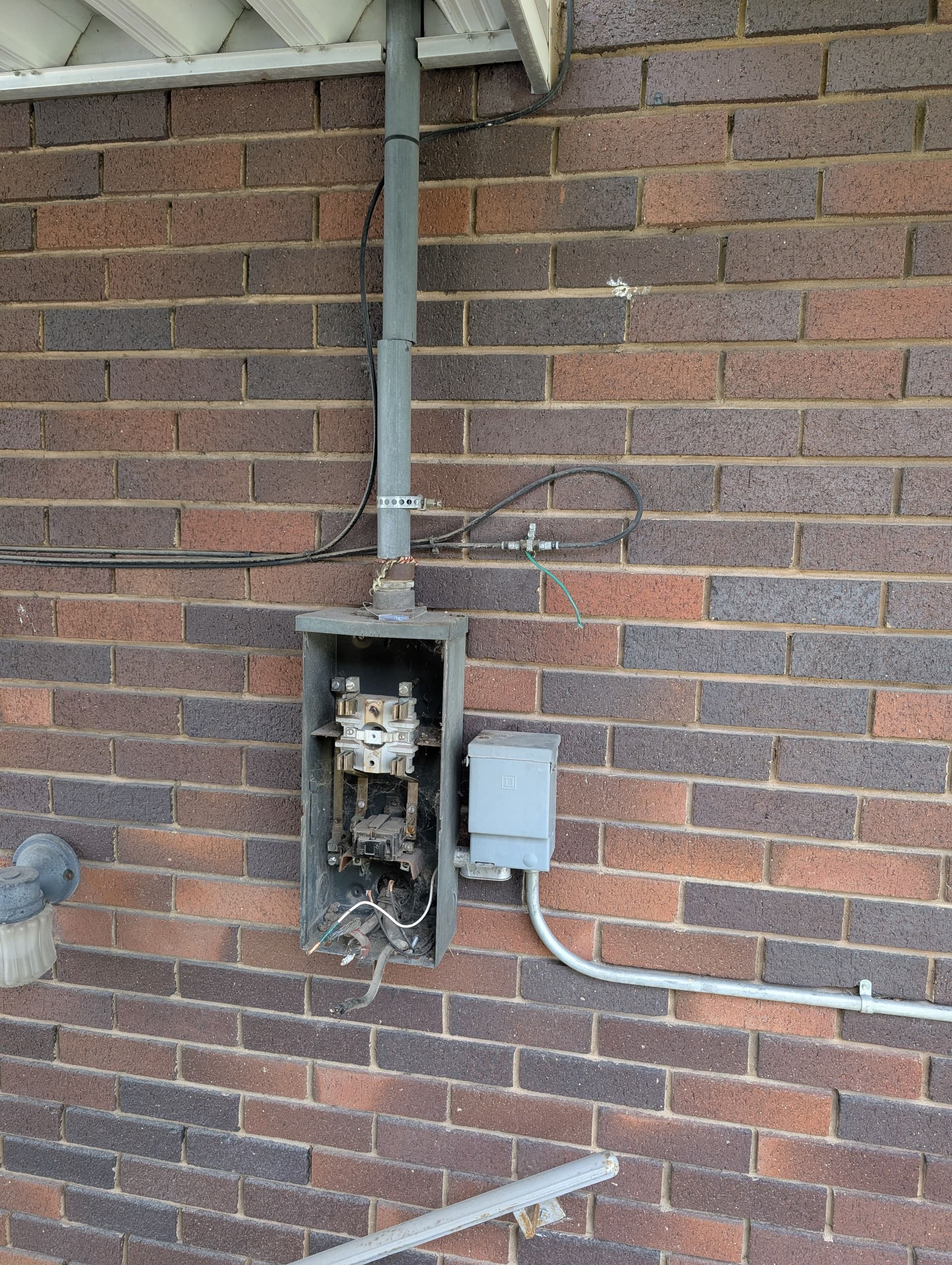
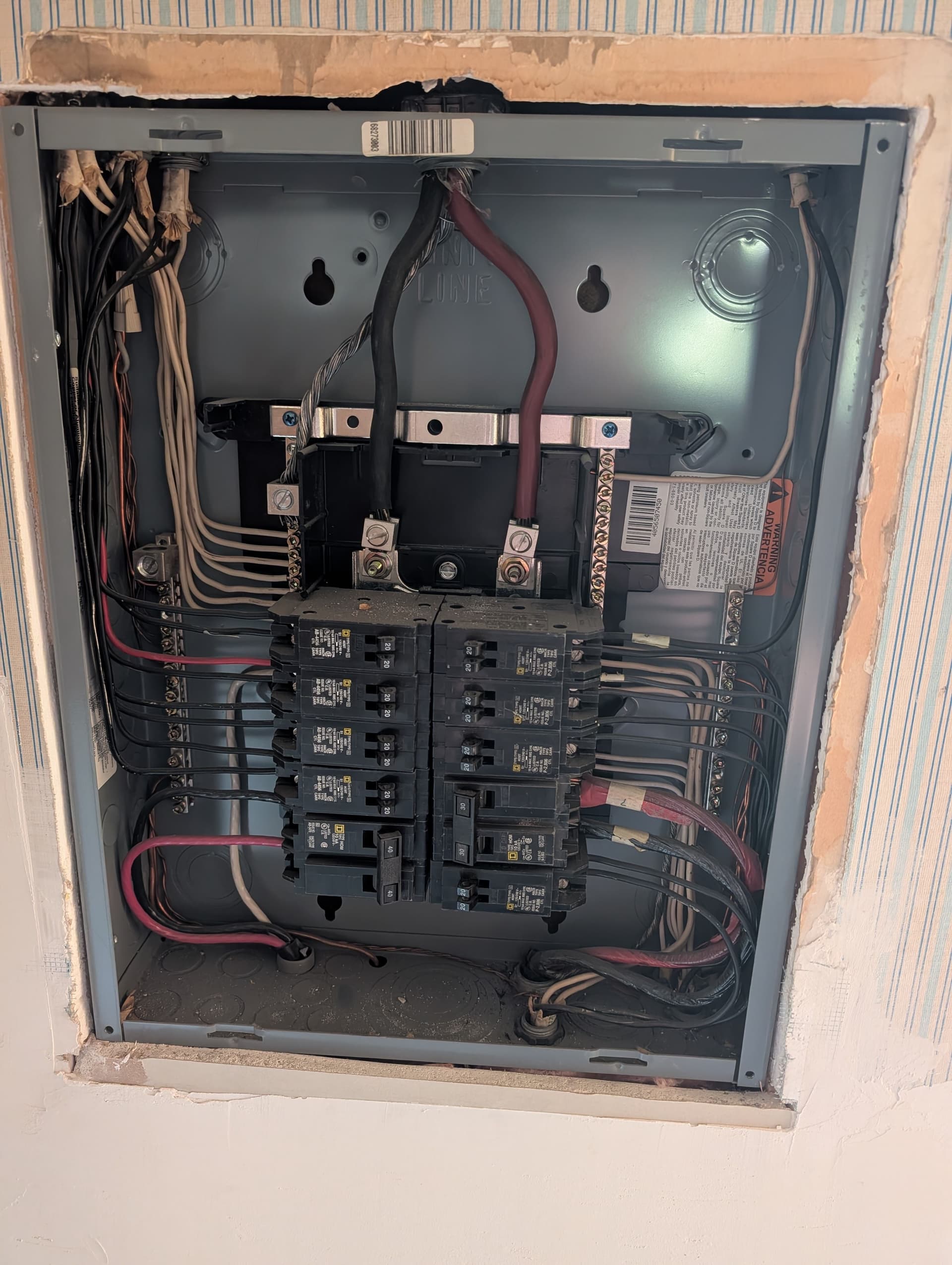
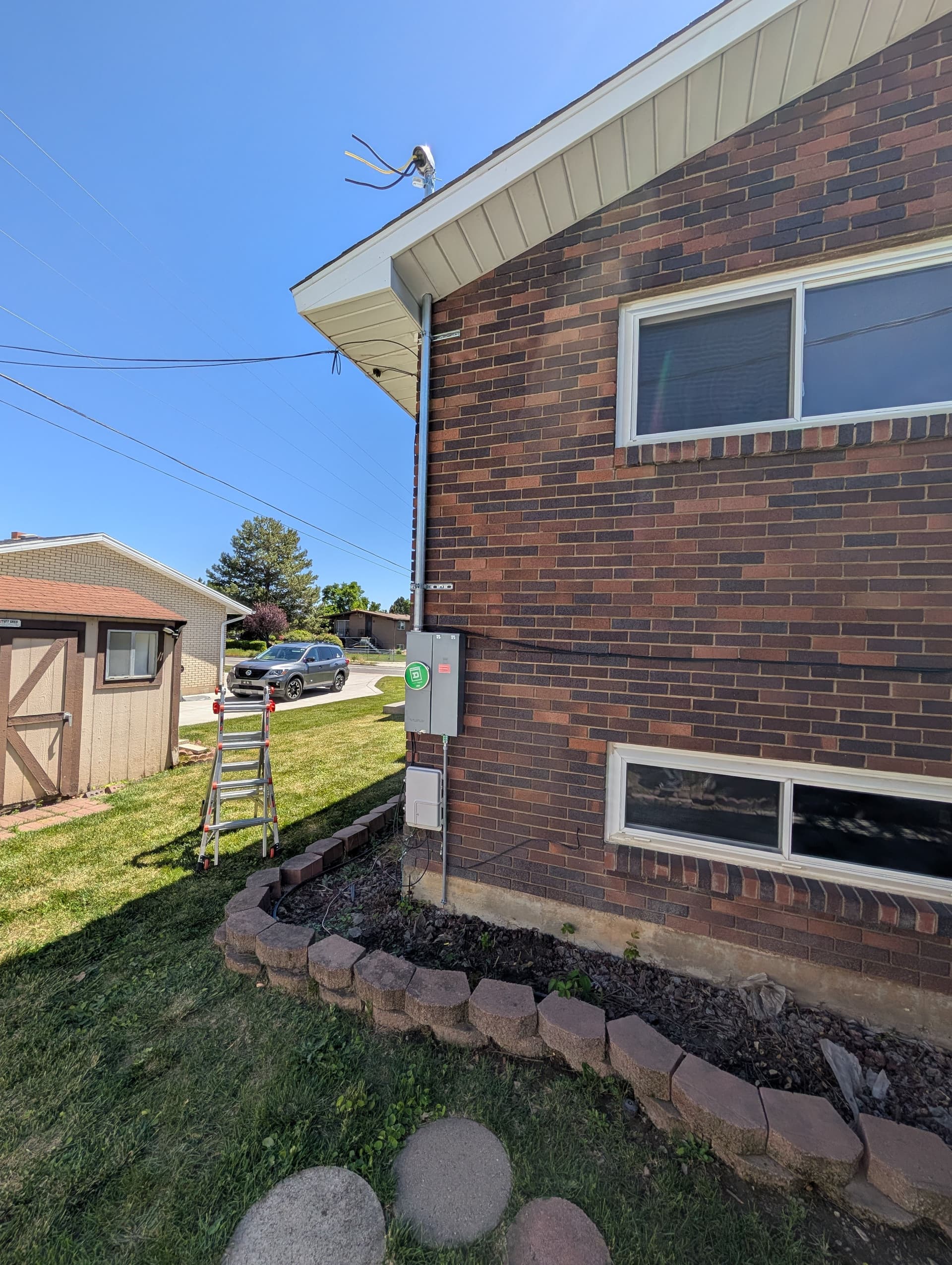

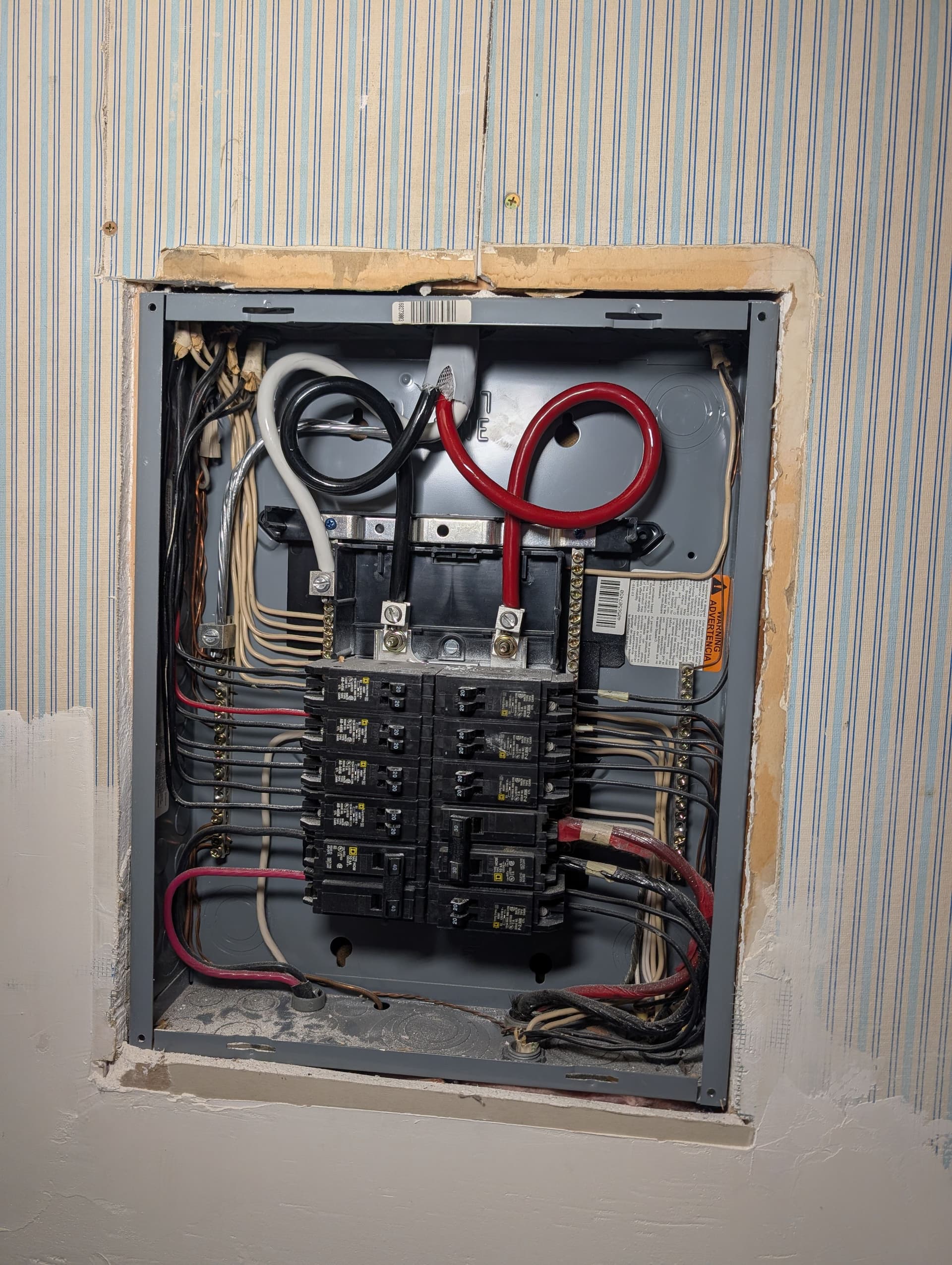
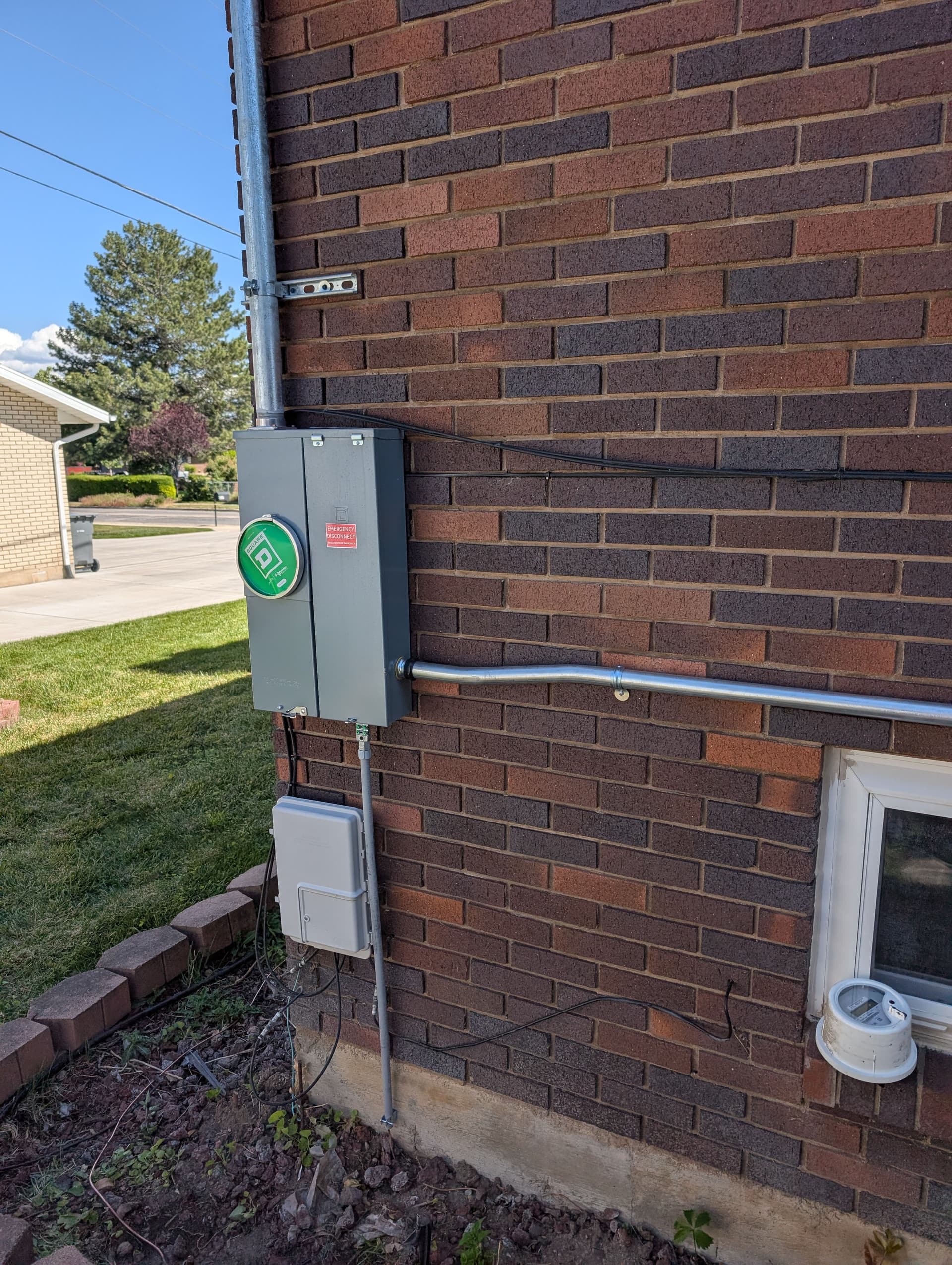
Here's what we were working with - an outdoor meter setup that had seen better days, a double-tapped breaker inside the panel, and an undersized feeder that left the home without proper grounding. None of that is a minor issue. Any one of those problems on its own is worth addressing. All three together? That's a home that needs attention sooner rather than later.
We started by relocating the meter to a better position on the exterior wall. Then we upgraded the feeder - that's the wiring that carries power from the utility into your panel. An undersized or degraded feeder is one of those things that quietly creates risk over time. Upgrading it is a straightforward fix that makes a real difference in how safely power flows through the whole system.
Inside the panel, we corrected the double-tapped breaker. A double-tap is when two wires are connected to a single breaker terminal that's only rated for one. It's a common code violation in older homes, and it creates a situation where one of those circuits isn't properly protected. Once that's sorted, every circuit has the protection it's supposed to have.
With the meter moved, the feeder upgraded, and the panel cleaned up, this home now has proper grounding throughout. That matters because grounding is what gives fault current a safe path out of the system instead of through something - or someone - it shouldn't go through. It's the foundation of a safe electrical system, and it's not something to leave unresolved.
If you've got a panel that's been flagged during an inspection, or you've noticed something that just doesn't look right - whether it's crowded wiring, an old fuse box, or anything else that gives you pause - that's worth a conversation. Problems like these don't fix themselves.